


分段萃取告訴你:不是每一滴都該留在杯中 Split Extraction Tells Us: Not Every Drop Belongs in Your Cup

目錄:
1. 分六段萃取實驗
2. 結論:關鍵在於何時停止萃取
很多人沖手沖咖啡時,會很自然地把濾杯流出的每一滴都收進下壺裡,總覺得這樣才完整、才不浪費。但當你真正做過分段萃取實驗,就會發現一件很有意思的事:不是每一滴都在幫這杯咖啡加分。有些段落在堆疊香氣,有些段落在補足結構,也有些段落只是把原本精彩的風味拉平,甚至帶出微澀與收斂感。
Many pour-over enthusiasts naturally collect every single drop that falls from the dripper, feeling that only a full carafe represents a "complete" brew without waste. However, once you experiment with split extraction, you discover a fascinating truth: not every drop adds value. Some stages build aroma, others provide structure, but some simply flatten the vibrant flavors or even introduce astringency and a drying sensation.
分六段萃取實驗
這次使用的豆子是
哥倫比亞 金迪奧省 陽台莊園 迪迪耶小農 藝妓 蜜處理,
風味主軸很鮮明:橙花、茉莉花香飽滿、佛手柑、白桃、紅玉紅茶、蜂蜜甜,尾韻花蜜香甜。
而這次分段紀錄中,是以15級分的強度來表示,數字越高,就代表該段萃取中那個風味表現越強、越明顯。
The Coffee: Colombia Quindío Finca El Balcón Didier Gesha, Honey Process
The flavor profile is vivid: abundant orange blossom and jasmine, bergamot, white peach, Ruby black tea, honey sweetness, and a floral nectar finish. In this split extraction log, we use a 15-point intensity scale—the higher the number, the more prominent that specific flavor characteristic.
先看前段 - 第1段、第2段
第1段咖啡液50克,1分0秒移開濾杯,甜感13、酸感13、花香11、佛手柑11。這一段幾乎就是整支豆子最華麗的高音區,橙花、茉莉、佛手柑一下子全都站到前面,酸甜同時明亮,香氣飽滿又集中。
第2段咖啡液54克,1分35秒移開濾杯,甜10、酸9、花香9、柑橘9,而且尾韻強。這表示第2段雖然不像第1段那麼衝,但它成功延續了前段的花香與柑橘調性,並把甜感和尾韻往後拉長。
所以把1+2混合時,得到的是酸甜10、集中。這很合理,因為這兩段就是這支藝妓最鮮明、最聚焦的核心。
The Beginning: Stages 1 & 2
Stage 1: 50g yield | Removed at 1:00.
Scores: Sweetness 13, Acidity 13, Floral 11, Bergamot 11.
Notes: This is the "soprano" range of the bean. Orange blossom, jasmine, and bergamot rush to the front. The acidity and sweetness are equally brilliant, concentrated, and saturated.
Stage 2: 54g yield | Removed at 1:35.
Scores: Sweetness 10, Acidity 9, Floral 9, Citrus 9.
Notes: While less aggressive than Stage 1, it successfully extends the floral and citrus profile, stretching the sweetness and finish further back.
Combined (1+2): Acidity/Sweetness: 10, Concentrated. This represents the vibrant, focused core of this Gesha.
接著進入中段 - 第3段
咖啡液42克,2分1秒移開濾杯,甜8、酸4、花香7、佛手柑7,尾韻開始出現紅玉紅茶。這很關鍵,因為它代表萃取不再只是前段那種明亮奔放的花果香,而是開始出現茶感、韻味與結構發展。換句話說,第3段把原本的橙花、茉莉、佛手柑,慢慢接到白桃、蜂蜜甜與紅玉紅茶般的尾韻上。
因此當1+2+3合在一起時,酸甜10、清甜。這通常就是很迷人的狀態:前段的高香氣還在,中段的層次也出來了,整體既有亮點,又有深度。
The Middle: Stage 3
Stage 3: 42g yield | Removed at 2:01.
Scores: Sweetness 8, Acidity 4, Floral 7, Bergamot 7, Ruby black tea finish.
Notes: This is the turning point. The extraction shifts from bright, wild florals toward tea-like structure and depth. In other words, it bridges the orange blossom and bergamot to the white peach, honeyed sweetness and Ruby black tea aftertaste.
Combined (1+2+3): Acidity/Sweetness: 10, Delicate Sweetness. This is often the "sweet spot"—the top-note aromas remain, the structures unfold, and the cup possesses both highlight and depth.
再往後來到 - 第4段
咖啡液37克,2分30秒移開濾杯,甜7、酸3。單看數值,它不像前面那麼耀眼,香氣表現也沒有再明顯上升,但它扮演的是「修飾」的角色。它讓前面比較鮮明、比較立體的風味,收得更圓、更順,也讓杯子的尾韻更完整。
所以把前四段1+2+3+4全部合起來時,結果變成酸甜9、平衡中帶鮮明、尾長亮。這說明第4段雖然不是主角,卻讓整杯咖啡從好喝走向完整。對日常飲用來說,這很可能就是最理想的平衡點。
The Transition: Stage 4
Stage 4: 37g yield | Removed at 2:30.
Scores: Sweetness 7, Acidity 3.
Notes: The numbers aren't as flashy here, and the aroma doesn't spike, but Stage 4 plays a "polishing" role. It rounds out the sharp edges of the previous stages, creating a smoother, more complete finish.
When combining the first four stages (1+2+3+4), the result is Acidity/Sweetness: 9; balanced with a touch of vividness, and a long, bright finish. This shows that while Stage 4 isn't the star of the show, it acts as the bridge that elevates the coffee from “tasty” to “complete.” For daily drinking, this is likely the gold standard of balance.
但從後段開始,情況就不一樣了 - 第5段
咖啡液39克,3分0秒移開濾杯,甜6,整體偏平衡。這表示它還能稍微補一點口感,卻已經無法再幫橙花、茉莉、佛手柑、白桃或紅玉紅茶增加太多精彩度。當把它加進去後,1+2+3+4+5變成酸甜9、平衡、尾韻平。也就是說,杯子雖然更平均,卻少了一點原本那種發亮、發香的尾韻。
But as we reach the tail end, the situation changes—Stage 5:
39g yield, removed at 3:00. Sweetness 6, with a profile leaning towards general balance. This stage still adds a bit of mouthfeel, but it can no longer contribute any nuance or excitement to the orange blossom, jasmine, white peach, or Ruby black tea. Once added, the 1+2+3+4+5 blend results in Acidity/Sweetness: 9; balanced, but with a flat finish. In other words, while the cup feels more 'even,' it loses that luminous, aromatic tail it once had.
最後是 - 第6段
3分30秒移開濾杯,記錄到的是清甜水5、微澀、舌微收縮。這就是非常典型的後段訊號:該出的精彩風味差不多都出完了,後面流下來的液體開始偏向低濃度、低風味密度,甚至把一些不夠細緻的收斂感帶出來。於是當1+2+3+4+5+6全部收進杯中,整體就變成酸甜8、平衡、中庸、尾微澀。不是難喝,而是它已經把原本很有記憶點的藝妓,慢慢拉回一杯比較普通、比較安全的咖啡。
Finally, Stage 6:
Removed at 3:30. This stage was recorded as “thin sweet water 5” with a hint of astringency and a slight puckering sensation on the tongue. This is a classic late-extraction signal: all the vibrant flavors have been spent, and the remaining liquid is low in concentration and flavor density, even dragging out some unrefined coarseness. When all six stages are combined, the profile drops to Acidity/Sweetness: 8; balanced, mediocre, with a slightly astringent finish. It isn’t “bad,” but it pulls a highly memorable Gesha back into the realm of an ordinary, safe cup of coffee.
結論:關鍵在於何時停止萃取
所以這組分段數據其實說得很清楚:
第1、2段決定這支豆子的個性,第3段拉出韻味,第4段完成平衡,第5段開始稀釋亮點,第6段則可能把微澀與收斂感帶進杯中。
這也是分段萃取最珍貴的地方。它讓我們理解,萃取不是把水倒完、把液體收完就好,而是要分辨:這一段到底是在成就這杯咖啡,還是在拖累這杯咖啡?
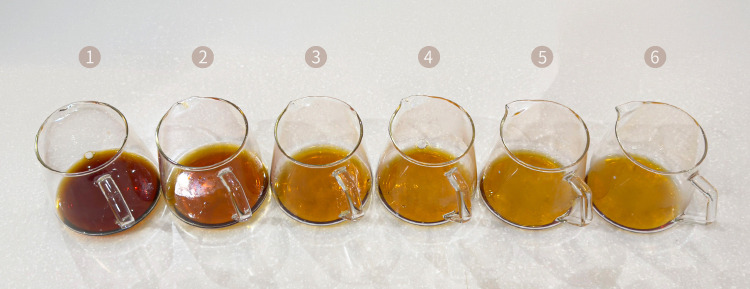
對這支陽台莊園迪迪耶小農藝妓蜜處理來說,想要最鮮明的橙花、茉莉、佛手柑與集中酸甜,選1+2;想兼顧花果香、白桃清甜與紅玉紅茶尾韻,選1+2+3;想追求完整、平衡、耐喝,則1+2+3+4很可能就是最佳答案。
分段萃取告訴我們:不是每一滴都該留在杯中。因為真正厲害的,不是全部收下,而是知道哪裡最美,並且願意停在最剛好的地方。
The data speaks clearly:
Stages 1 & 2 define the personality. Stage 3 develops the depth. Stage 4 achieves balance. Stage 5 starts to dilute the highlights. Stage 6 introduces astringency.
This is the true value of split extraction. It teaches us that brewing isn't just about pouring all the water and catching all the liquid—it’s about discerning whether a specific stage is elevating the cup or weighing it down.
For this Finca El Balcón Gesha, if you want intense orange blossom, jasmine, bergamot and concentrated sweetness and acidity, stop at 1+2. If you want a journey from florals to white peach and Ruby tea, aim for 1+2+3. Want the most complete, balanced, and drinkable experience? 1+2+3+4 is your answer.
Split extraction reminds us: not every drop belongs in the cup. The true mastery lies not in taking everything the brew gives you, but in recognizing where the beauty peaks and having the wisdom to stop right there.
推薦商品:


〔JC咖啡〕
✔ 高海拔莊園咖啡豆 ✔ 新鮮烘焙百年名機 ✔ 百萬篩豆機剔除瑕疵豆
✔ 咖啡品鑑師杯測品管 ✔ 濾掛去氧保鮮製程
對優質咖啡的5大堅持,給您最好的品質!
✔ Freshly Roasted Coffee Bean Specialty Store
✔ CQI international coffee quality appraiser quality control
✔ State-of-the-art, Million-dollar Coffee Bean Sorting Machine Removes Defective Beans
