Estate Drip Coffee- Kenya AA FAQ Washed|Medium【Justin Coffee】(10g/pack) -Deoxygenated Packaging
商品介紹

✔Freshly Roasted Coffee Bean Specialty Store
✔CQI internatinal coffee quality appraiser quality control
✔Million-dollar Coffee Bean Sorting Machine Removes Defective Beans
✔Deoxygenation Preservation
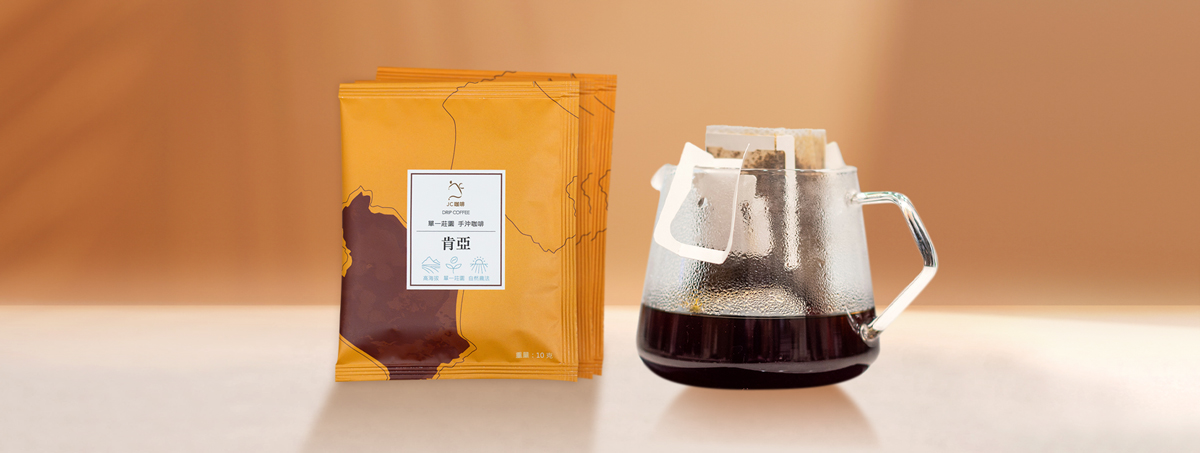
Single Estate Drip Coffee- Kenya AA FAQ Washed- Medium
- Origin: Kenya
- Processing Method: Washed
- Variety: 100% Arabica SL28 SL34 Variety
- Grade: AA FAQ
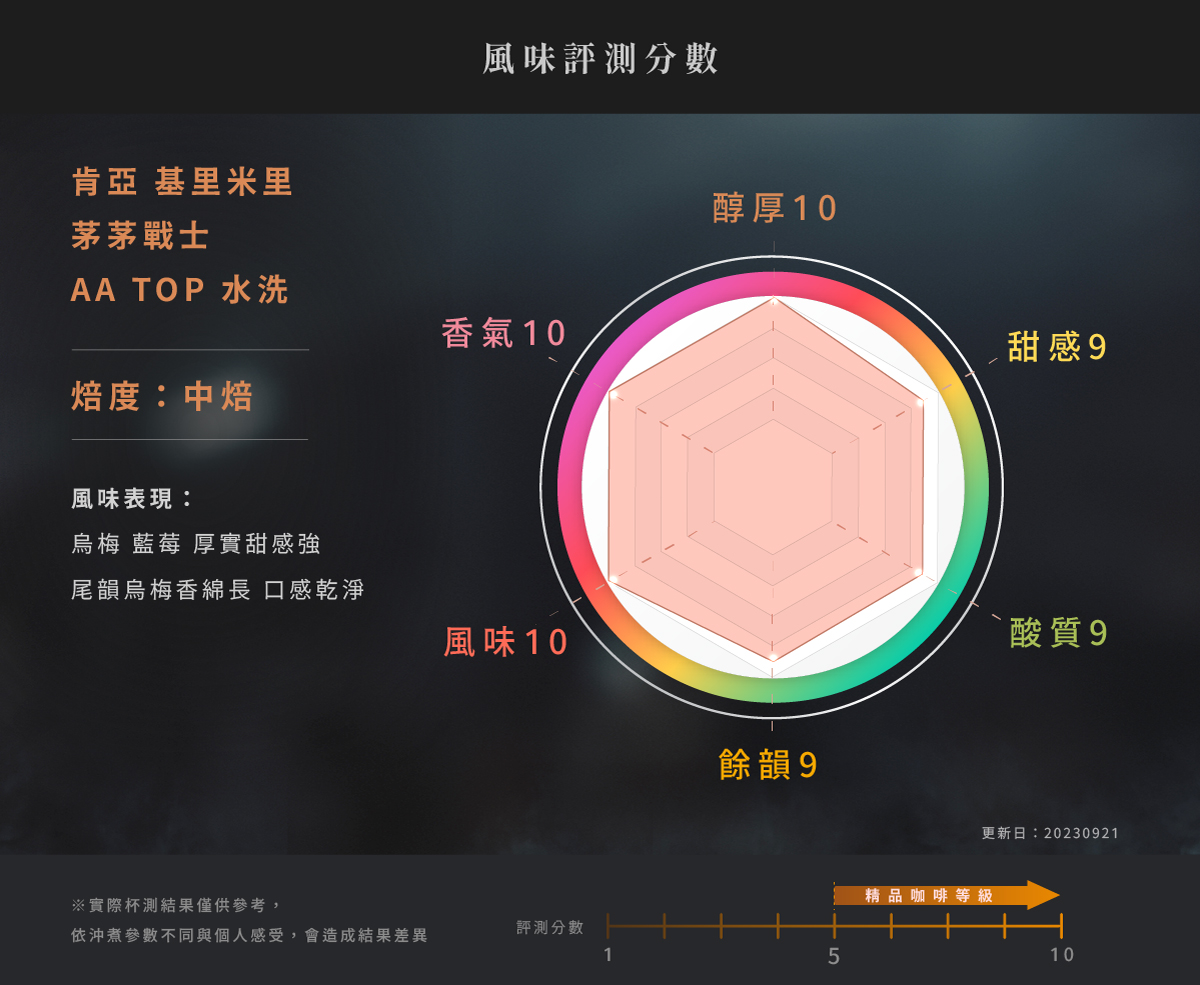
- Flavor: Smoked Plum, Dried Fruits, Blackcurrant, Rich and syrupy.
- Roast Level: Medium
- Packaging Details:
- Drip Coffee: 10g per pack
- Box Options (styles & sizes, please refer to the box options image below):
- No outer box
- 10 packs/box (no gift bag, available for separate purchase)
- 20 packs/box (includes gift bag)
- Elevation: 2100m
- Shelf Life: 1 year (sealed with deoxidizing packaging)
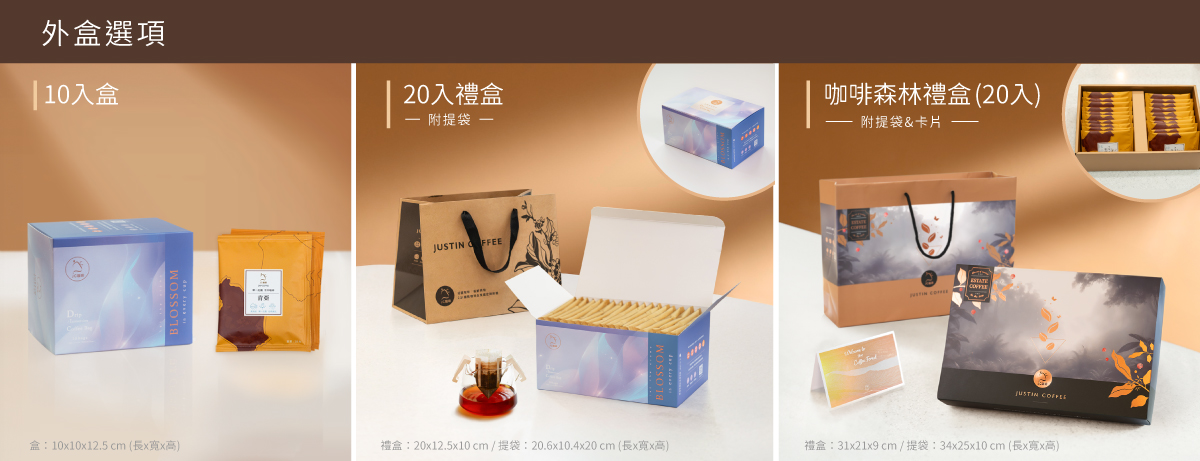
Coffee Forest Gift Box & 20-Pack Gift Box include a gift bag (For the 10-pack box, a gift bag is available for additional purchase).
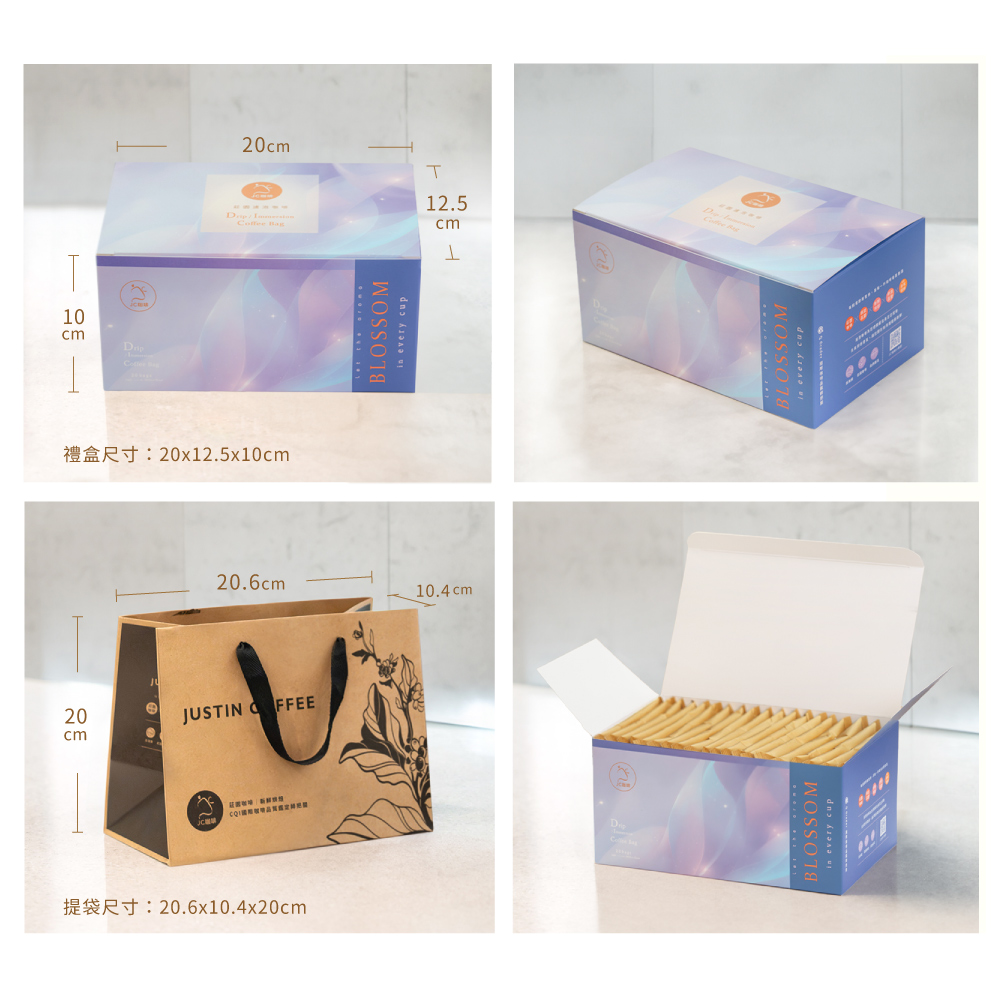
20-Pack Gift Box- Appearance & Dimensions

∥Coffee Forest Box- Appearance & Dimensions∥
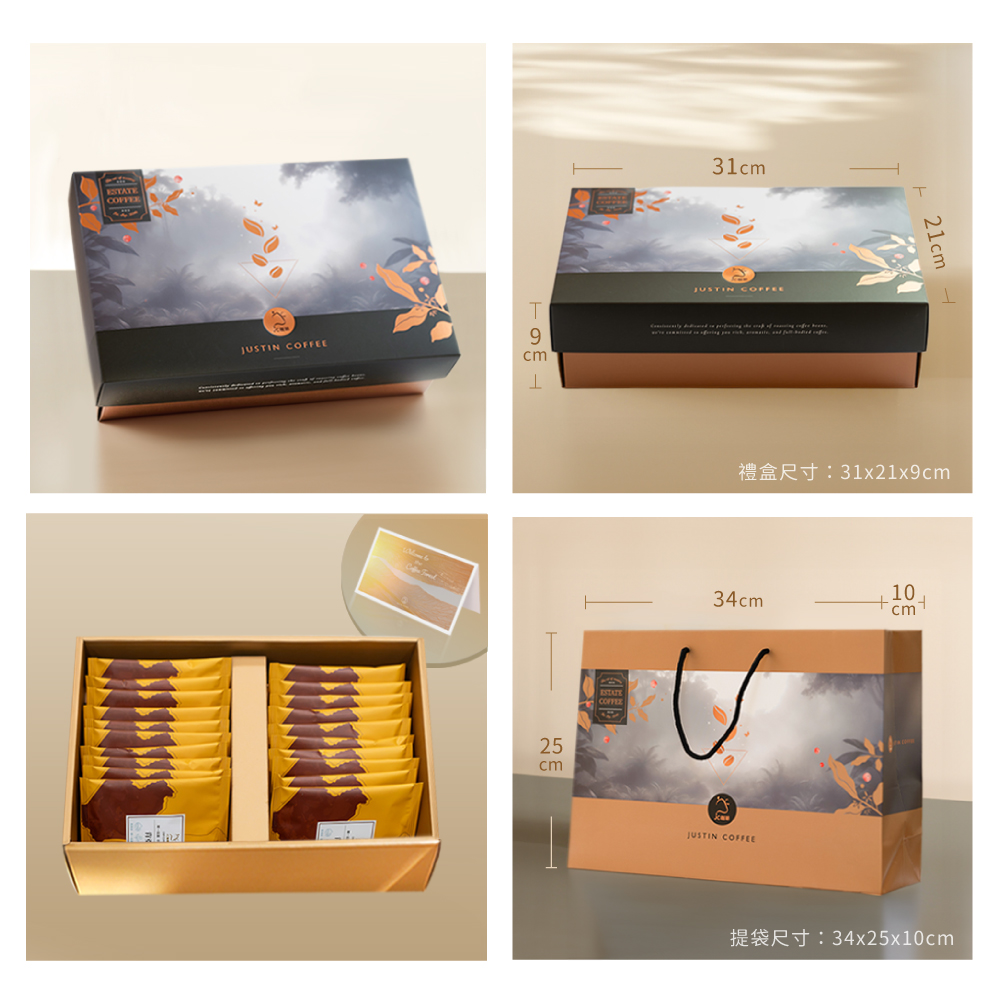

Coffee Forest Gift Box & 20-Pack Gift Box include a gift bag (For the 10-pack box, a gift bag is available for additional purchase).
※ Order limit: A maximum of 5 boxes can be picked up at convenience stores. Additional items cannot be included in the same order.


Coffee Flavor
The flavors of coffee are derived from the breakdown of various nutrients in the green coffee beans during roasting. Heat causes these compounds to degrade into a variety of aromatic molecular structures, resulting in a wide spectrum of flavors. High-quality coffee beans naturally possess a rich aroma that evolves at different temperatures—high, medium, and low—offering a delightful and nuanced experience worth savoring.
Kenya AA FAQ Washed
Smoked Plum, Dried Fruits, Blackcurrant, Rich and syrupy.

Kenya is a prominent producer of East African specialty coffee, with a population of approximately 6 million engaged in the coffee industry, predominantly through smallholder farmers and cooperative societies. Kenyan coffee trees are primarily cultivated at altitudes between 1,400 meters and 2,000 meters, spanning regions including Ruiri, Thika, Kirinyaga, Mt. Kenya West, Nyeri, Kiambu, and Murang'a, with a focus on the foothills of Mt. Kenya and the Aberdare ranges. The main coffee-growing areas encircle Mount Kenya, each possessing its unique regional flavor profiles. For instance, the Nyeri region is renowned for its blackcurrant and prune flavors.
Many coffee-growing regions in Kenya strive to preserve their native forest ecosystems, protecting the natural gene pool and supporting the propagation of wild coffee varieties, thereby fostering diverse coffee trees. In 1930, the unique Kenyan coffee varieties SL28 and SL34 were developed and named by the Scott Laboratories. These varieties emerged in such a conducive environment, benefiting from the region’s commitment to maintaining a healthy and diverse coffee ecosystem.

Arabica Coffee Variety – SL34
SL34 is an artificial hybrid variety derived from Bourbon in Kenya and Tanzania, developed alongside SL28. Both are well-known for their excellent flavor profiles. While Bourbon has a higher yield compared to Typica, it still has a two-year harvesting cycle, making it a relatively low-yield variety. SL28 and SL34 are iconic Kenyan coffee varieties developed and named by Scott Laboratories (SL) in the 1930s. SL28 carries the lineage of Bourbon, Mokka, and Typica. The original goal of developing SL28 was to produce a high-quality coffee variety that could resist pests and diseases. Although SL28's yield was not as abundant as anticipated, it gained recognition for its excellent sweetness, balance, and complex flavors, with distinctive notes of citrus and dried plum.
SL34, while similar in flavor to SL28, offers a richer and cleaner taste. It has Bourbon heritage and a stronger Typica lineage, making it better suited to withstand heavy rains and challenging weather conditions.
Kenyan coffee flavors are classified into three grades: TOP, PLUS, and FAQ, in descending order. This batch is of the highest grade—TOP!
Kenyan coffee is also graded by bean size, with the three most common grades being AA, AB, and PB.
The flavor grades, in descending order, are TOP, PLUS, and FAQ.
------
"Justin Coffee is dedicated to single-origin coffees, carefully selecting high-altitude green beans from world-renowned producing regions. We insist on rigorous bean selection and quality control, using our professional and exclusive roasting methods for fresh, in-house roasting. This allows you to easily brew café-quality hand-drip specialty coffee. Let the lingering sweetness (回甘) of Justin Coffee awaken your wonderful day."

(Coffee Processes)
The term "processing methods" refers to the process of transforming ripe red coffee cherries into dried green beans. Each method has its advantages and disadvantages, influenced by the natural environment and the specific needs of the coffee-producing region. As a result, different regions adopt the processing method most suited to their conditions. This batch uses washed processing methods, described below:
【Washed / Wet Processed】
Also known as the wet process, this method involves removing the skin and pulp of the coffee cherries before drying. The seeds are then fermented in water tanks to eliminate the remaining mucilage on their surface, followed by thorough washing and drying under sunlight or with mechanical dryers.
The washed process produces a cleaner and crisper flavor profile compared to the natural process. Coffees processed this way typically have lighter body, brighter acidity, and distinct fruit flavors. This method is often associated with specialty coffee due to its clarity and vibrant flavor expression.


【Manufacturer Information】
JUSTIN INTERNATIONAL FOOD ENTERPRISE CO., LTD.
Tel: +886-3-358-6611
1st Floor, No. 30, Lane 120, Daxing Road, Taoyuan District, Taoyuan City
▶This product is covered by a NT$10 million product liability insurance.
▶Food Industry Registration Number: F-165601955-00000-0
▶ Our company’s cupper is certified as a CQI International Coffee Quality Appraiser.


Recommended Products


規格說明

出貨日 & 付款說明
※ Order limit: A maximum of 5 boxes can be picked up at convenience stores. Additional items cannot be included in the same order.
※ For detailed shipping and payment information, invoices, overseas ordering instructions, etc., please click here to enter.

相關商品


